Protect Your Home from Hard Water Damage with a Water Softener System
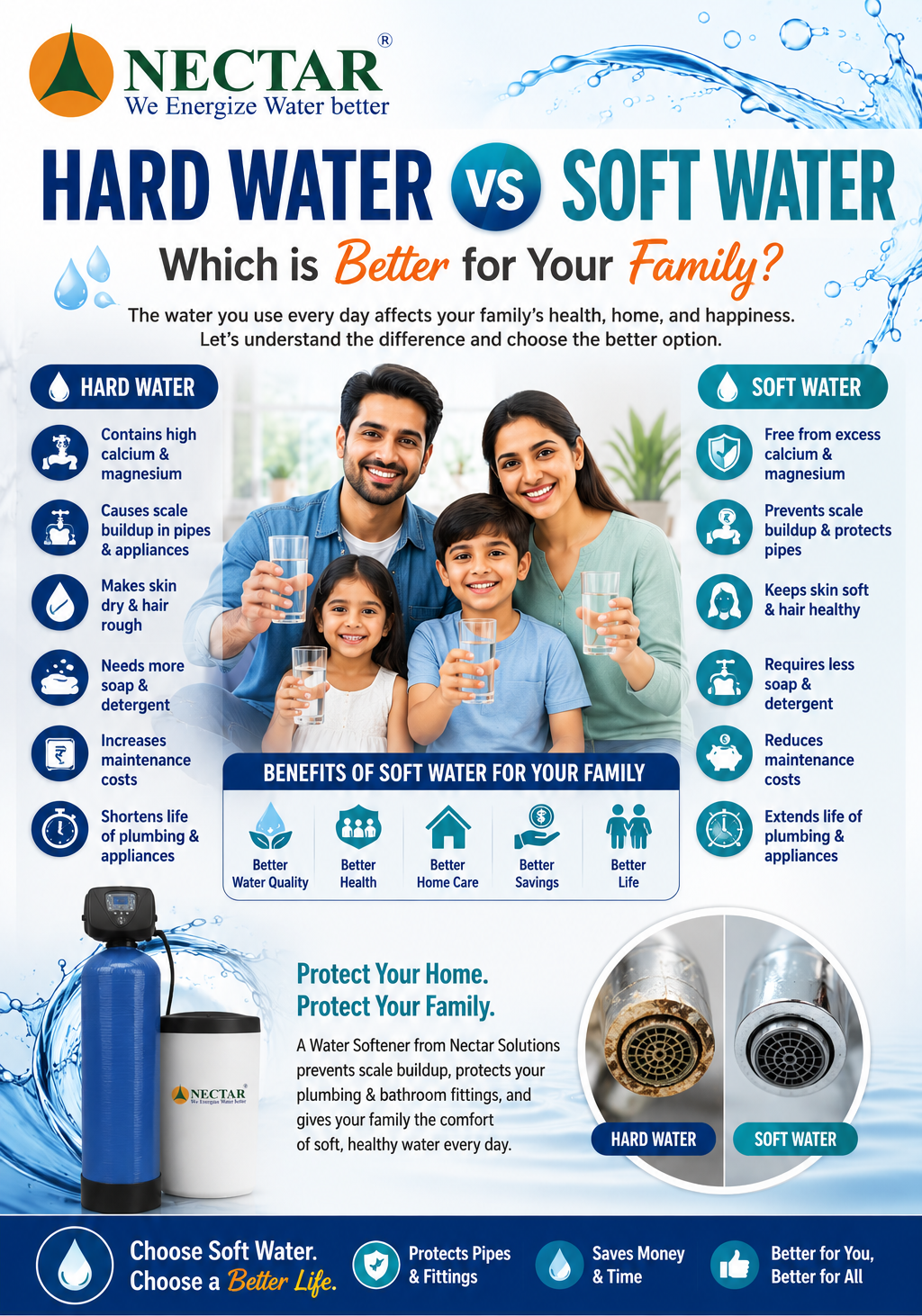
Hard water is one of the most common water quality problems in homes across India. Although it may appear clean, it contains high levels of calcium and magnesium minerals that gradually damage plumbing pipes, bathroom fittings, and household appliances. As a result, homeowners often face expensive repairs, reduced water flow, and frequent maintenance.
Therefore, installing a Water Softener System is one of the most effective ways to protect your plumbing infrastructure and extend the lifespan of your bathroom fixtures. Moreover, soft water improves overall water quality, making everyday household activities more comfortable and cost-effective.
What Is Hard Water?
Hard water contains dissolved minerals such as calcium and magnesium that naturally enter groundwater as it flows through rocks and soil. Consequently, borewell water and underground water sources often have high hardness levels.
Although these minerals are not harmful to health, they leave behind hard scale deposits that accumulate inside plumbing systems and water-using appliances over time.
How Does Hard Water Damage Plumbing Pipes?
Because hard water contains excess minerals, scale gradually builds up inside pipes. Consequently, the inner diameter of the pipes becomes smaller, restricting water flow throughout your home.
Furthermore, mineral deposits increase pressure within the plumbing system, forcing pumps and pipelines to work harder. Therefore, plumbing components wear out faster and require frequent maintenance.
Common Plumbing Problems Caused by Hard Water
- Scale buildup inside pipes
- Reduced water pressure
- Frequent pipe blockages
- Increased plumbing repairs
- Corrosion and premature pipe damage
- Higher maintenance costs
As a result, untreated hard water can significantly shorten the lifespan of your home’s plumbing system.
How Hard Water Affects Bathroom Fittings
Bathroom fittings are constantly exposed to hard water. Consequently, minerals accumulate on taps, showerheads, faucets, and other fixtures.
Over time, these deposits become difficult to remove and reduce the overall appearance and performance of bathroom fittings.
Common Bathroom Problems
- White stains on taps
- Limescale on showerheads
- Blocked water outlets
- Dull chrome finishes
- Reduced water flow
- Frequent cleaning requirements
Therefore, hard water not only affects performance but also reduces the aesthetic appeal of your bathroom.
How Water Softeners Work
A Water Softener uses advanced ion-exchange technology to remove calcium and magnesium minerals from hard water.
As hard water passes through the softener, hardness minerals are replaced with sodium or potassium ions. Consequently, the treated water becomes soft and free from scale-forming minerals.
Therefore, soft water protects your plumbing system before damage begins.
Benefits of Installing a Water Softener
1. Prevents Scale Buildup
Soft water does not leave calcium or magnesium deposits inside pipes or fixtures.
As a result, plumbing systems remain clean and operate efficiently for many years.
2. Extends Plumbing Lifespan
Because scale no longer accumulates inside pipelines, plumbing systems experience less wear and tear.
Consequently, homeowners spend less money on repairs and replacements.
3. Protects Bathroom Fittings
Soft water keeps:
- Showerheads clean
- Taps shiny
- Faucets free from stains
- Bathroom accessories looking new
Therefore, your bathroom maintains its appearance with minimal cleaning effort.
4. Improves Water Pressure
When mineral deposits are eliminated, water flows freely through the plumbing system.
As a result, showers, faucets, and taps deliver better water pressure.
5. Reduces Cleaning Time
Soft water prevents stubborn white stains and soap scum from forming on bathroom surfaces.
Consequently, cleaning becomes faster and requires fewer cleaning products.
6. Saves Money
A Water Softener helps reduce:
- Plumbing repair costs
- Bathroom maintenance expenses
- Cleaning product usage
- Appliance servicing costs
- Water heater maintenance
Therefore, it provides excellent long-term value for homeowners.
Additional Benefits of Soft Water
Besides protecting plumbing systems, soft water also improves your daily lifestyle.
Healthier Skin
Soft water helps retain your skin’s natural moisture.
As a result, your skin feels softer and healthier after every bath.
Softer Hair
Furthermore, soft water removes shampoo completely and prevents mineral buildup.
Consequently, your hair becomes smoother, shinier, and easier to manage.
Better Laundry
Soft water allows detergents to work more effectively.
Therefore, clothes remain cleaner, softer, and brighter after washing.
Who Should Install a Water Softener?
A Water Softener is an ideal solution for:
- Individual homes
- Villas
- Apartments
- Residential communities
- Hotels
- Hospitals
- Commercial buildings
- Educational institutions
If your property uses borewell water or experiences hard water problems, installing a water softener can significantly improve water quality.
Choosing a premium Water Softener offers several advantages:
- Fully automatic operation
- Low maintenance
- Continuous soft water supply
- High water treatment efficiency
- Durable construction
- Long service life
- Energy-efficient performance
Consequently, homeowners enjoy reliable protection for their plumbing systems and household appliances.
Hard water can silently damage plumbing pipes, bathroom fittings, and household appliances through continuous scale formation. Although these problems develop gradually, they often result in expensive repairs and reduced system efficiency.
Therefore, installing a Water Softener is the most effective long-term solution. By removing hardness-causing minerals before they enter your plumbing system, soft water keeps pipes clean, protects bathroom fixtures, improves water flow, and reduces maintenance costs.
Investing in a quality Water Softener not only safeguards your home’s plumbing but also provides healthier skin, softer hair, cleaner bathrooms, and greater peace of mind for your family.